Why Parents Should Know About FERPA and COPPA

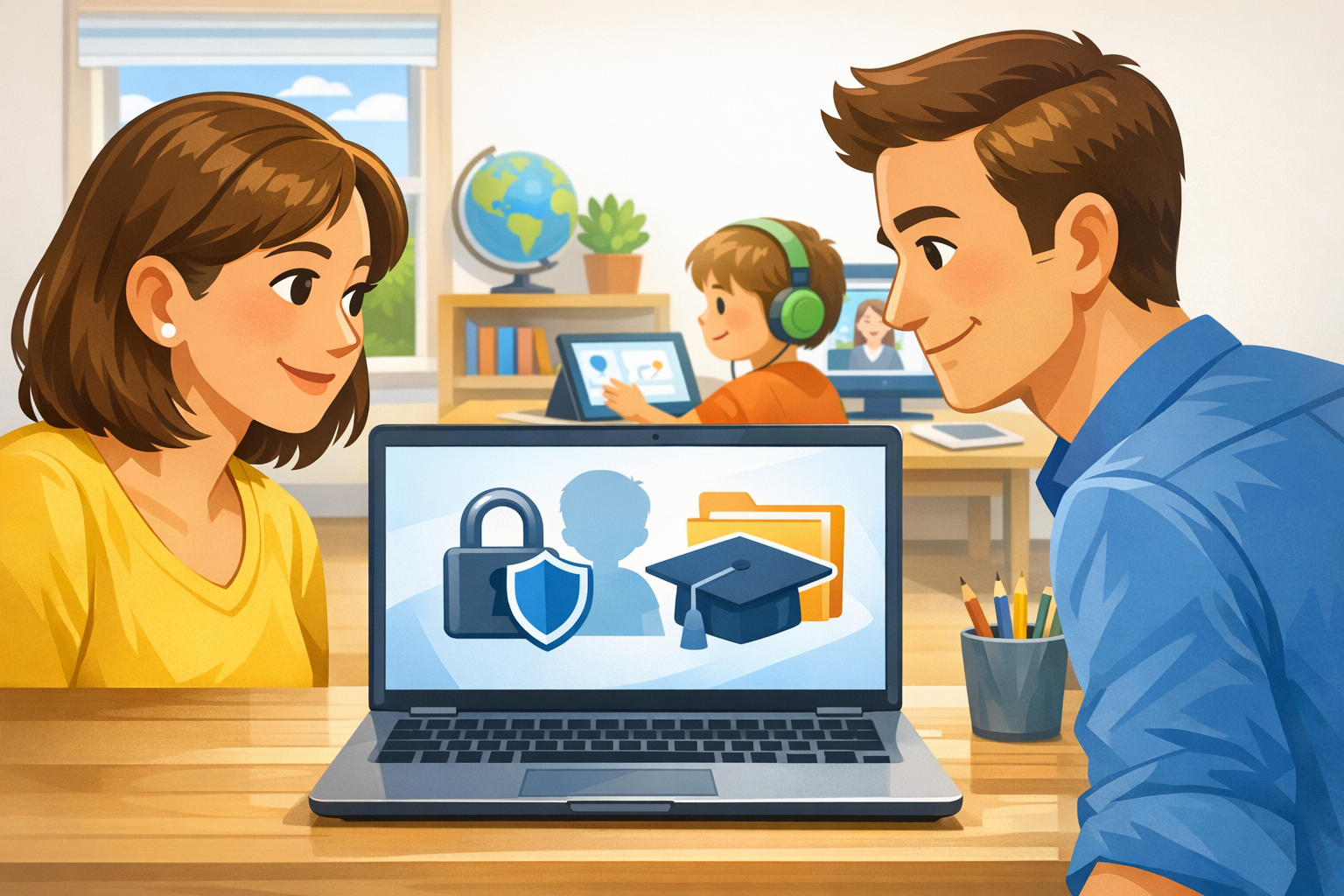
Online learning gives children access to flexible classes, engaging teachers, and new ways to build confidence. It also means families should understand how student information is collected, used, and protected. Two laws often come up in conversations about children’s online education: FERPA and COPPA.
While the names may sound technical, the ideas behind them are simple: children deserve privacy, parents deserve transparency, and educational platforms should handle student data responsibly. At EiFO Academy, these principles are central to how we support K-12 learners and families.
What Is FERPA?
FERPA stands for the Family Educational Rights and Privacy Act. It is a U.S. federal law that protects the privacy of student education records. FERPA generally applies to schools and educational institutions that receive funding from the U.S. Department of Education.
For parents, FERPA is important because it gives families certain rights related to a student’s education records. These may include the right to review records, request corrections, and understand when information may or may not be shared.
In practical terms, FERPA encourages educational organizations to treat academic information carefully. This can include grades, progress reports, enrollment details, attendance records, and other information connected to a student’s learning experience.
What Is COPPA?
COPPA stands for the Children’s Online Privacy Protection Act. It is a U.S. federal law that helps protect the personal information of children under 13 when they use websites, apps, and online services.
COPPA focuses on how online services collect, use, and disclose children’s personal information. It generally requires clear privacy notices and parental consent before collecting certain information from children under 13.
Examples of information that may be protected under COPPA include a child’s name, email address, online contact details, location information, photos, audio, video, or persistent identifiers used to track activity across the internet.
Why These Laws Matter for Online Learning
Families trust online education platforms with sensitive information. That trust matters. Children may join live classes, complete assignments, communicate with instructors, and build academic records over time. Parents need confidence that the platform their child uses is designed with privacy and safety in mind.
FERPA and COPPA help create a framework for responsible digital learning. They encourage platforms to ask important questions:
- What information do we collect from students and families?
- Why do we need this information?
- How do we protect it?
- Who can access it?
- How do parents learn about our practices?
- How can families ask questions or make privacy-related requests?
When parents understand these laws, they are better prepared to choose online learning programs that respect student privacy and communicate clearly.
How EiFO Academy Supports FERPA and COPPA Compliance
EiFO Academy is committed to creating a safe, transparent, and responsible online learning environment for K-12 students. Our approach is guided by privacy-conscious practices that align with the principles behind FERPA and COPPA.
1. We Collect Information for Educational Purposes
EiFO Academy collects information needed to deliver and improve the learning experience. This may include account details, course enrollment information, class participation, learning progress, and communication related to instruction or support.
We aim to limit data collection to what is appropriate for providing educational services, supporting students, communicating with families, and maintaining platform safety.
2. We Provide Transparency for Families
Parents should not have to guess how their child’s information is used. EiFO Academy works to provide clear information about privacy practices so families can understand what data is collected, why it is collected, and how it is handled.
Transparency is especially important for younger learners. When a child is under 13, COPPA places special emphasis on parental awareness and consent. EiFO Academy supports age-appropriate privacy practices and parent involvement in the learning process.
3. We Protect Student Information
Student data should be handled with care. EiFO Academy uses administrative, technical, and organizational safeguards designed to protect student information from unauthorized access, misuse, or disclosure.
No online system can promise zero risk, but responsible platforms take data security seriously. This includes limiting access to student information, using secure systems, and training team members to respect privacy expectations.
4. We Limit Sharing of Student Data
EiFO Academy does not treat student information as a marketing commodity. We use student information to provide educational services and support the learning relationship with families.
When trusted service providers help us operate our platform, we expect them to handle information responsibly and only for appropriate purposes connected to the service they provide. This helps keep the focus where it belongs: on student learning and safety.
5. We Respect Parent Rights and Questions
Parents are essential partners in a child’s education. EiFO Academy supports parent involvement by providing ways for families to ask questions, review relevant information, and raise concerns about privacy or data practices.
If parents have questions about their child’s account, learning records, or privacy settings, they are encouraged to contact EiFO Academy directly. Open communication helps build trust and ensures families feel supported.
Questions Parents Can Ask Any Online Learning Platform
Whether you are considering EiFO Academy or another online education provider, these questions can help you evaluate privacy practices:
- Does the platform explain what student information it collects?
- Does it describe how that information is used?
- Is parental consent addressed for children under 13?
- Can parents contact the platform with privacy questions?
- Does the platform limit unnecessary data sharing?
- Are student records and learning progress handled securely?
A trustworthy learning platform should welcome these questions. Privacy is not a barrier to learning; it is part of creating a healthy educational environment.
Helping Children Become Responsible Digital Learners
Understanding FERPA and COPPA is not only about rules. It is also an opportunity to teach children about digital responsibility. Parents can talk with children about using strong passwords, sharing information carefully, joining classes from appropriate locations, and asking an adult before entering personal details online.
These conversations help students develop habits that support both academic success and online safety. When families and education providers work together, children can enjoy the benefits of online learning with greater confidence.
Final Thoughts
FERPA and COPPA matter because they reflect a shared responsibility: protecting children while supporting meaningful education. Parents should know the basics of these laws so they can make informed choices about the online platforms their children use.
At EiFO Academy, we believe student privacy, parent trust, and high-quality learning go hand in hand. By following privacy-conscious practices aligned with FERPA and COPPA principles, we work to provide a safer online learning experience for every family we serve.